
Imagine this scene: A Chinese host is live streaming, and Spanish viewers see the host introducing products in fluent Spanish—lip movements matched, voice unchanged, emotions authentic.
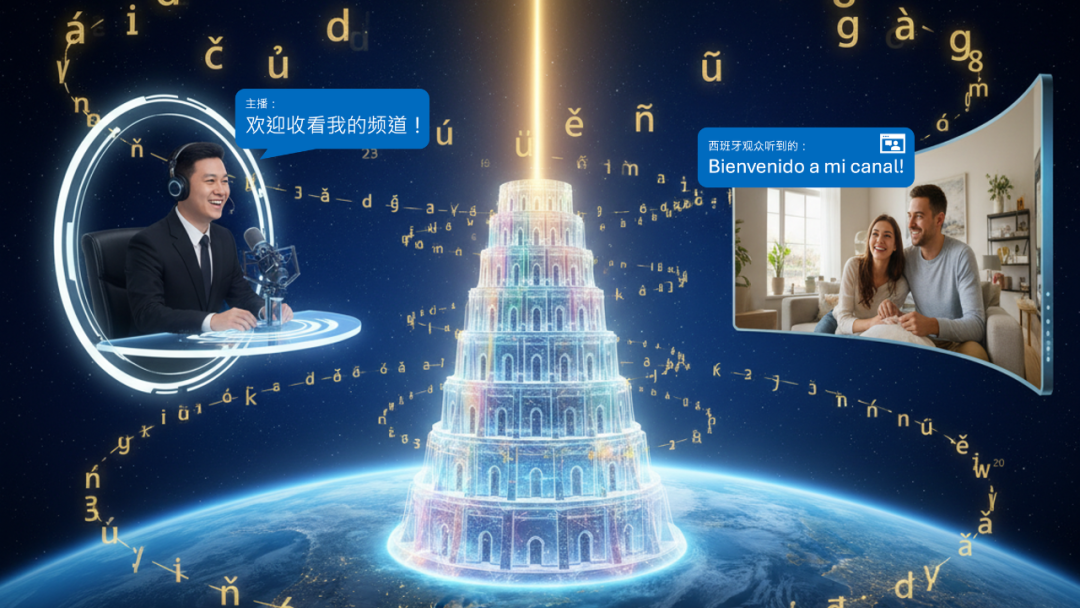
This isn't science fiction. This is the reality Zhowcase is making happen. Once Upon a Time, the Tower of Babel Had Three High Walls Before Zhowcase, facial translation was trapped behind three walls. Wall One: Time.

In the past, translating a 1-minute video took 4 minutes—meaning this technology had no connection to live streaming. Zhowcase tore down this wall by streamlining the process from dozens of steps to just a few critical links. Now, 1 minute of video takes only 40 seconds. For live streaming, only one initial delay is needed—the moment the host speaks, global audiences already hear their native language. Even more crucially, all of this runs on a single NVIDIA A10 GPU released back in 2021. Costs are controllable and deployment is feasible. Wall one, down. Wall Two: Blurriness
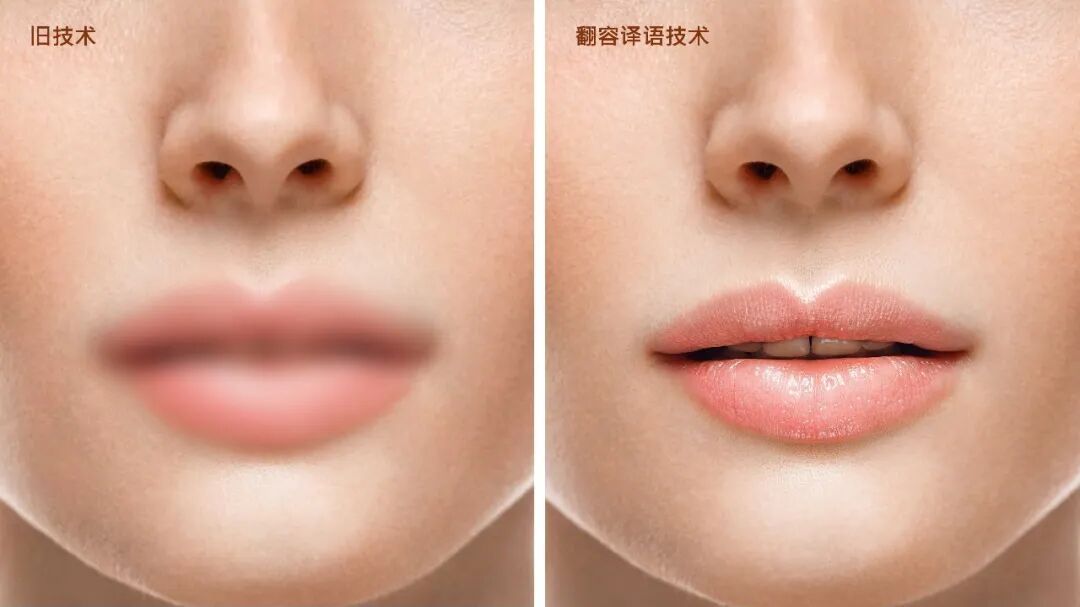
In earlier facial translation videos, mouths were blurry—audiences were instantly pulled out of the experience, let alone being able to see the texture of lipstick or details of food. Zhowcase tore down this wall with self-developed facial restoration technology—using the original video's HD information to clarify the translated lips without requiring additional training. 1080p is standard. 4K is no problem. Even 8K is achievable. Your translated video is as clear as your original. A French viewer can clearly see the texture of the lipstick while simultaneously hearing the host fluently introduce the product in French. Wall two, down. Wall Three: Single Person.

Traditional technology could only handle single-person videos. Once multiple people appeared on screen, the AI got confused—who should it translate? Zhowcase tore down this wall by using computer vision to identify who is speaking, then precisely translating them. Whoever speaks, gets translated. This means cross-border multi-guest live streaming has finally become a reality—Chinese host, American guest, Japanese audience, each speaking their own language, but each seeing "the other person chatting with them in their native language." Wall three, down. After the Three Walls Fell Time, blurriness, single person—these three walls that once trapped the industry have been torn down by Zhowcase one by one. And now we can finally answer that question: real-time facial translation is genuinely usable. What's more, Zhowcase has taken a path different from most players in the market. Many build AI digital humans—an image driven by AI to do repetitive motions. But platforms don't accept it: stiff expressions, wooden interactions, immediately flagged and restricted. Zhowcase takes another path: real people on camera, AI translation. Zhowcase doesn't make fake people—it only lets real people cross language barriers. The host's emotions are yours, the voice is yours, the movements are yours—it's just that your face automatically "speaks" 20+ languages. Platforms detect nothing unusual, because it's genuinely you broadcasting. This is what globalized live streaming should look like. Zhowcase has 19 China-US patents, a technological breakthrough from 4 minutes to 40 seconds, a quality leap from 540p to 8K, scene coverage from single-person to multi-person. But what Zhowcase is most proud of is this: when a Chinese host says the Tower of Babel has fallen. Language is no longer a barrier. Zhowcase-estreaming will officially launch in April. We welcome all creators who want to go global to come try the first wave of dividends from "real-person facial translation." https://zhowcase.com/zhowcase-estreaming/